
Basement Mold From a Broken Pipe
St. Lawrence County, NY
A broken pipe in a basement left mold across six rooms of a home in St. Lawrence County. A family member of the owner called us. We worked through the basement over four days.
6
Rooms
4
Days
Pipe
Moisture Source
Private
Mold Work: No Insurance
How the Job Came In
A family member of the property owner called Post Trauma Scene Decon about a home in St. Lawrence County. A pipe had broken in the basement, and the resulting moisture had led to mold growth across six basement rooms.
The home also needed cleanup after the remains of deceased animals were found on the property. That portion was handled under the owner's insurance. The basement mold was not covered by insurance, so the owner paid for that portion directly. This is common: insurance policies often treat a gradual leak or mold differently from a sudden, covered event. It is worth asking your insurer before you assume either way.
Conditions on Arrival
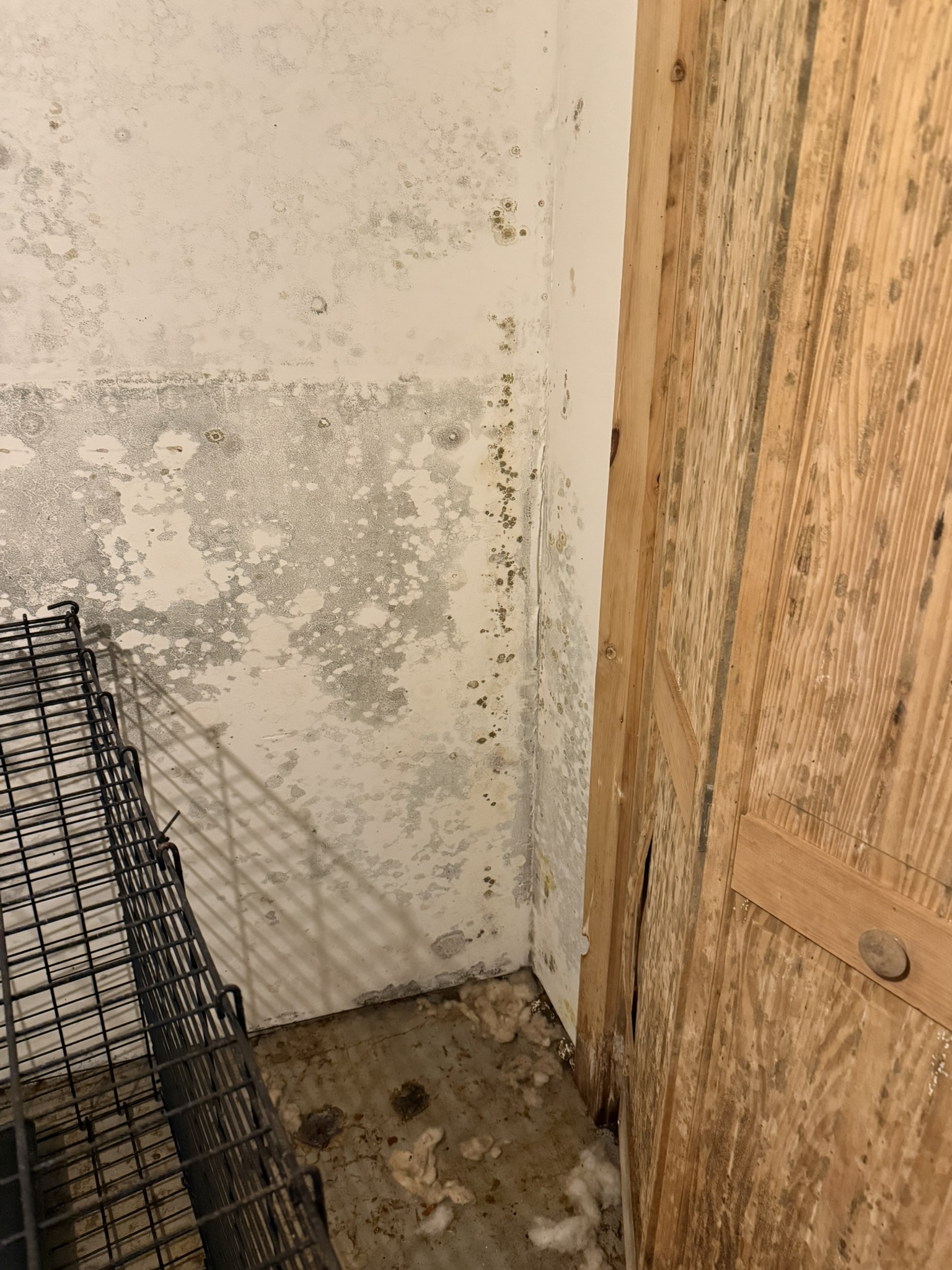
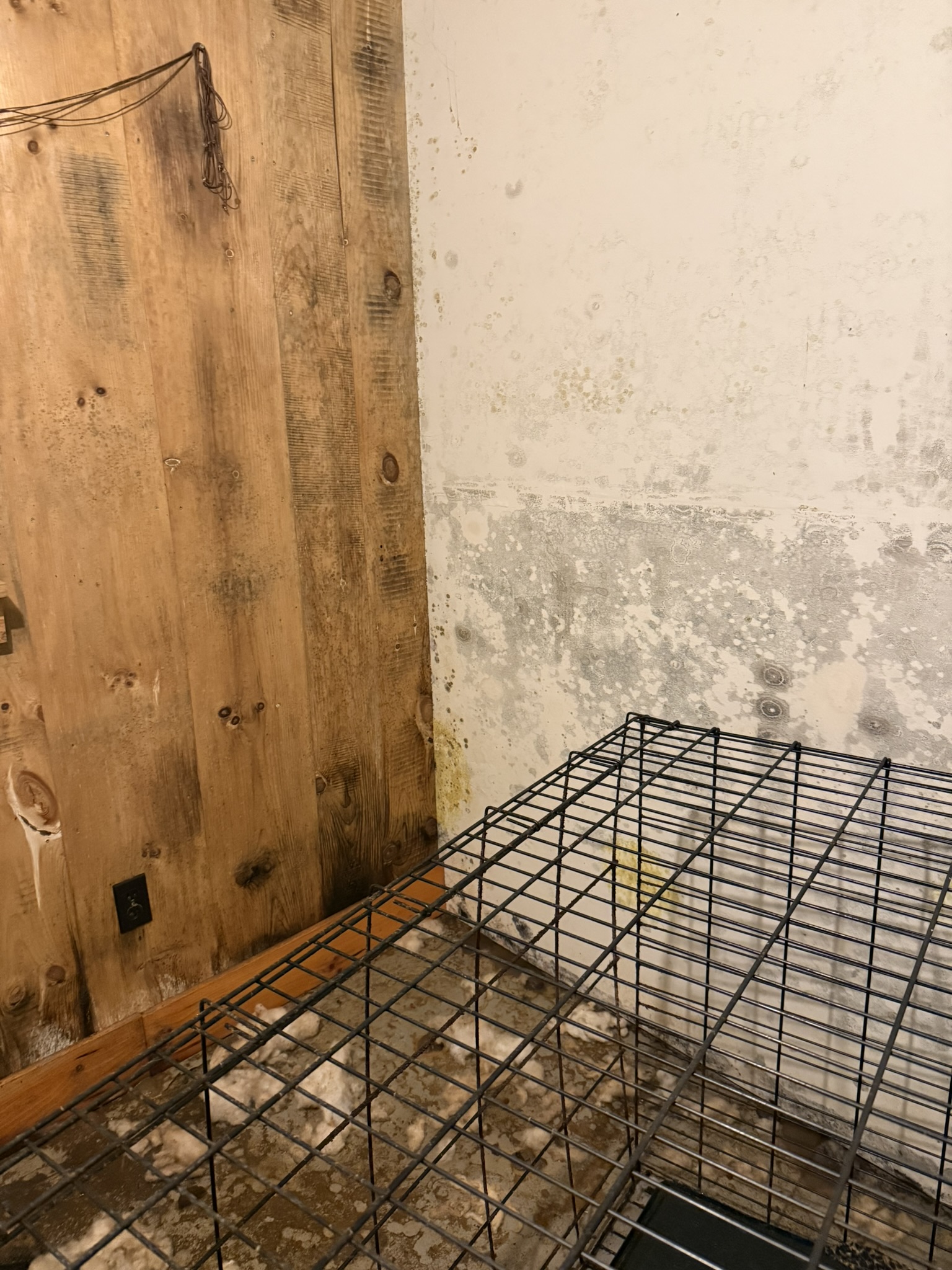
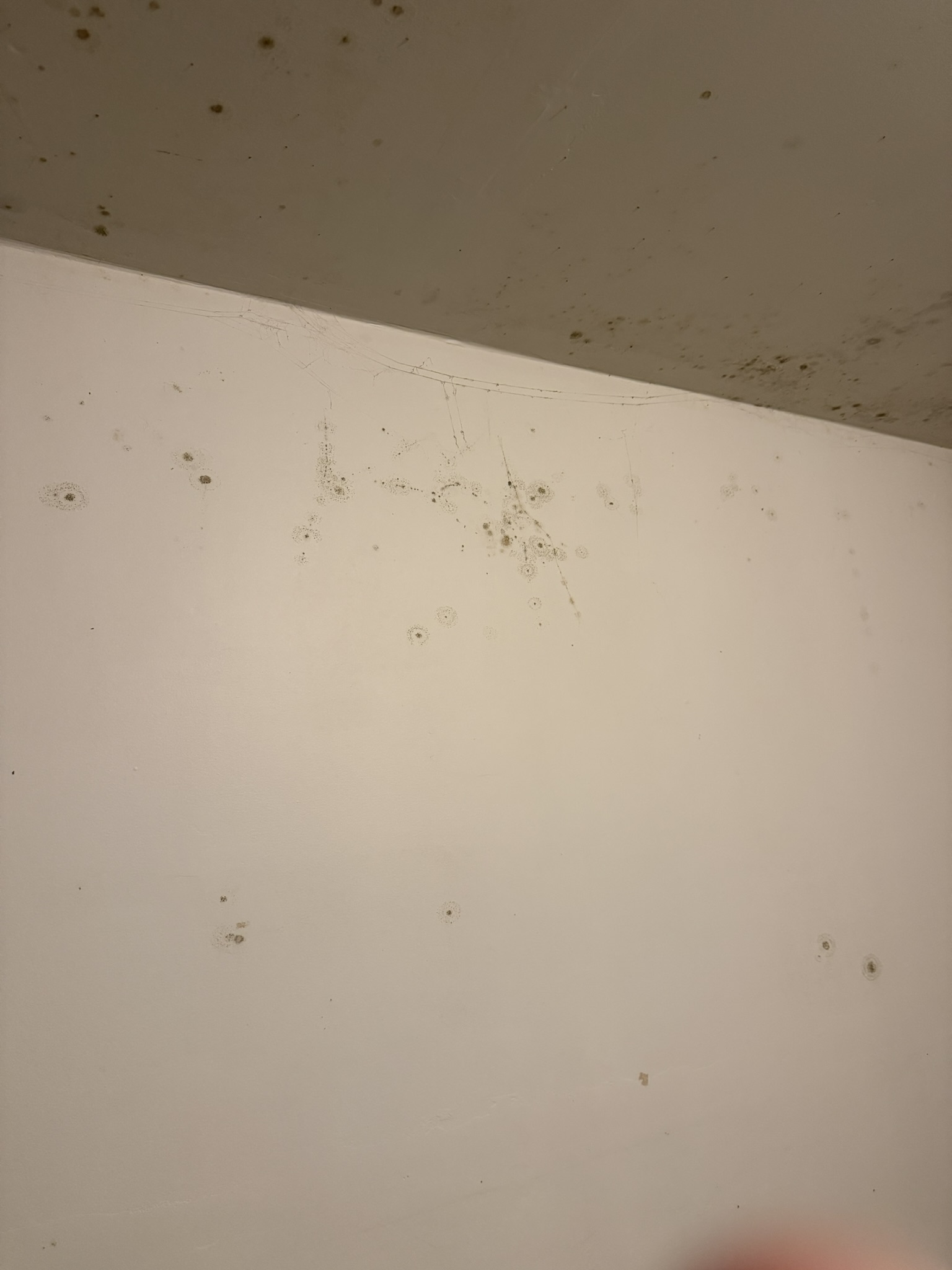
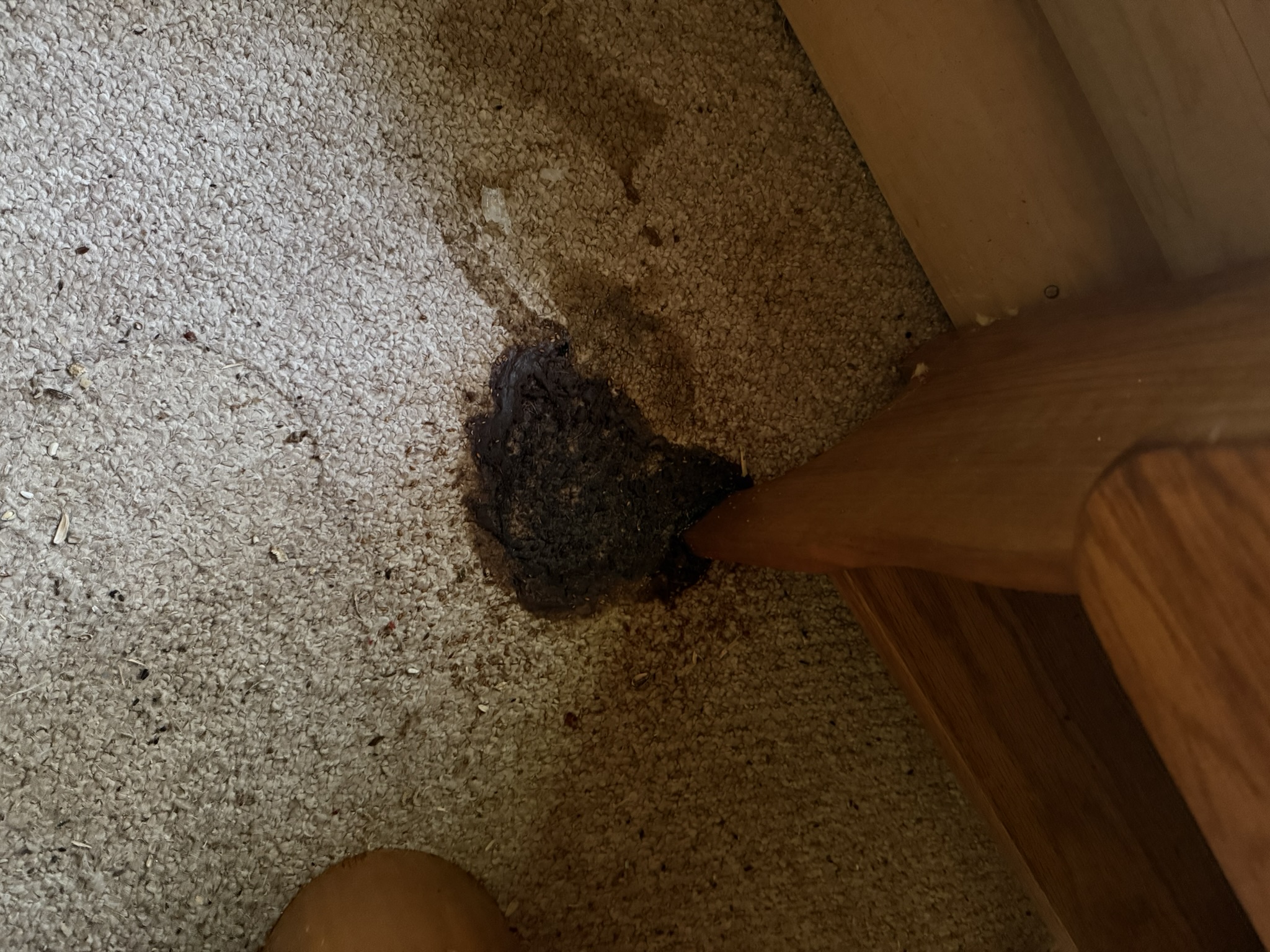
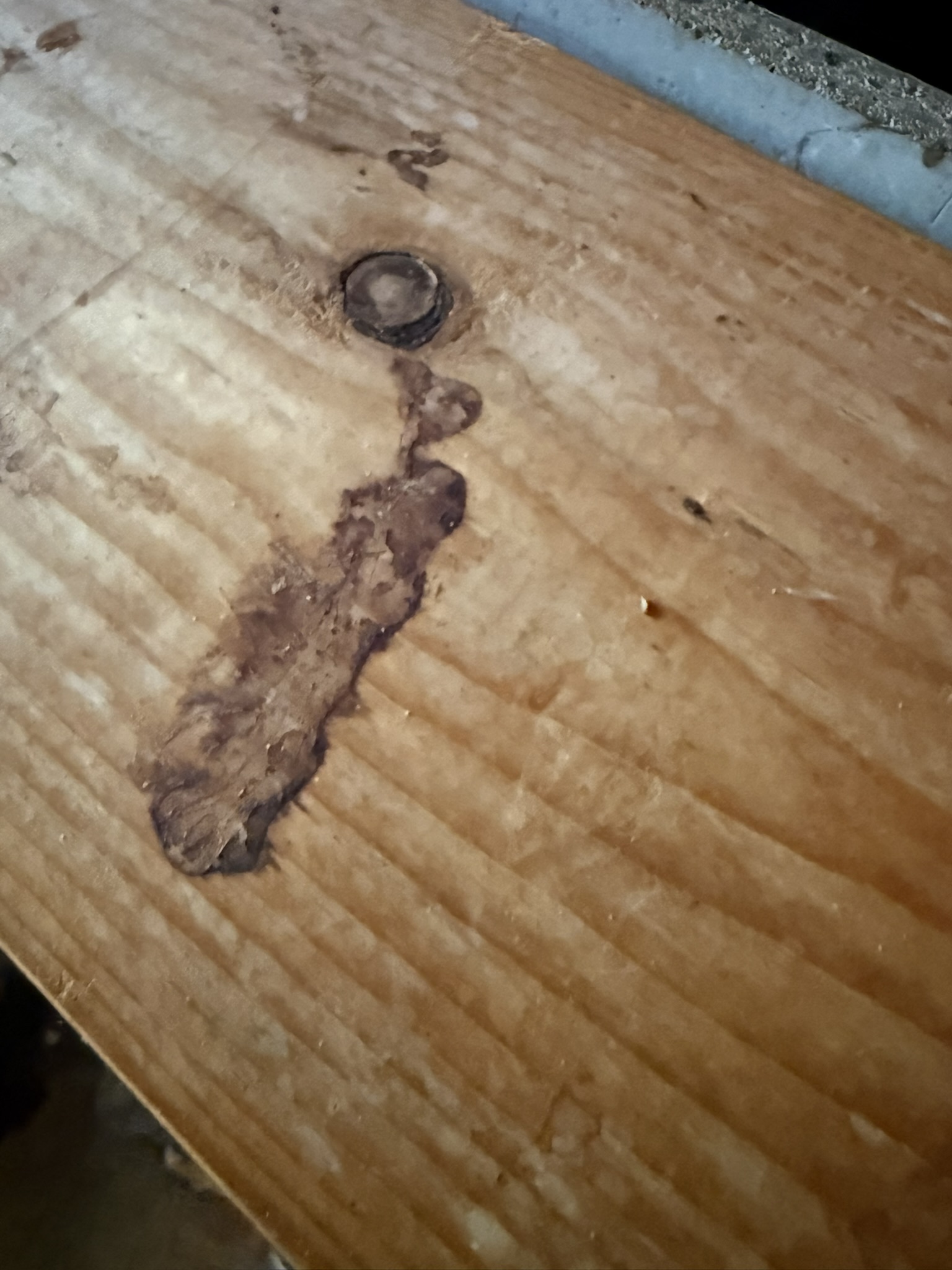
The basement had mold growing on painted drywall and on wood paneling and doors, with loose insulation on the concrete floor. The before photos below show this. They also show staining on carpet and on a wooden board, which belonged to the animal-remains portion of the job.
What the Remediation Involved
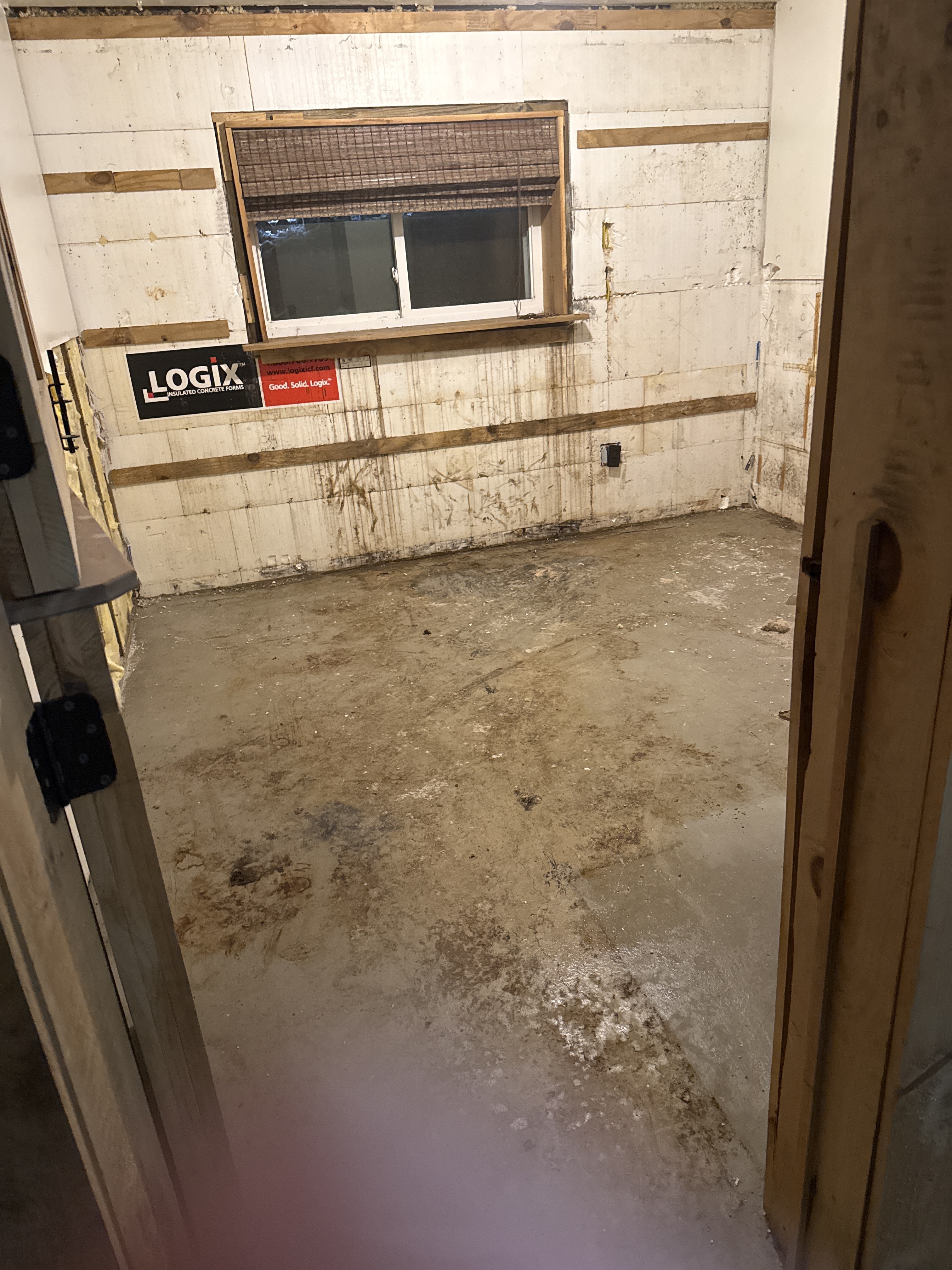
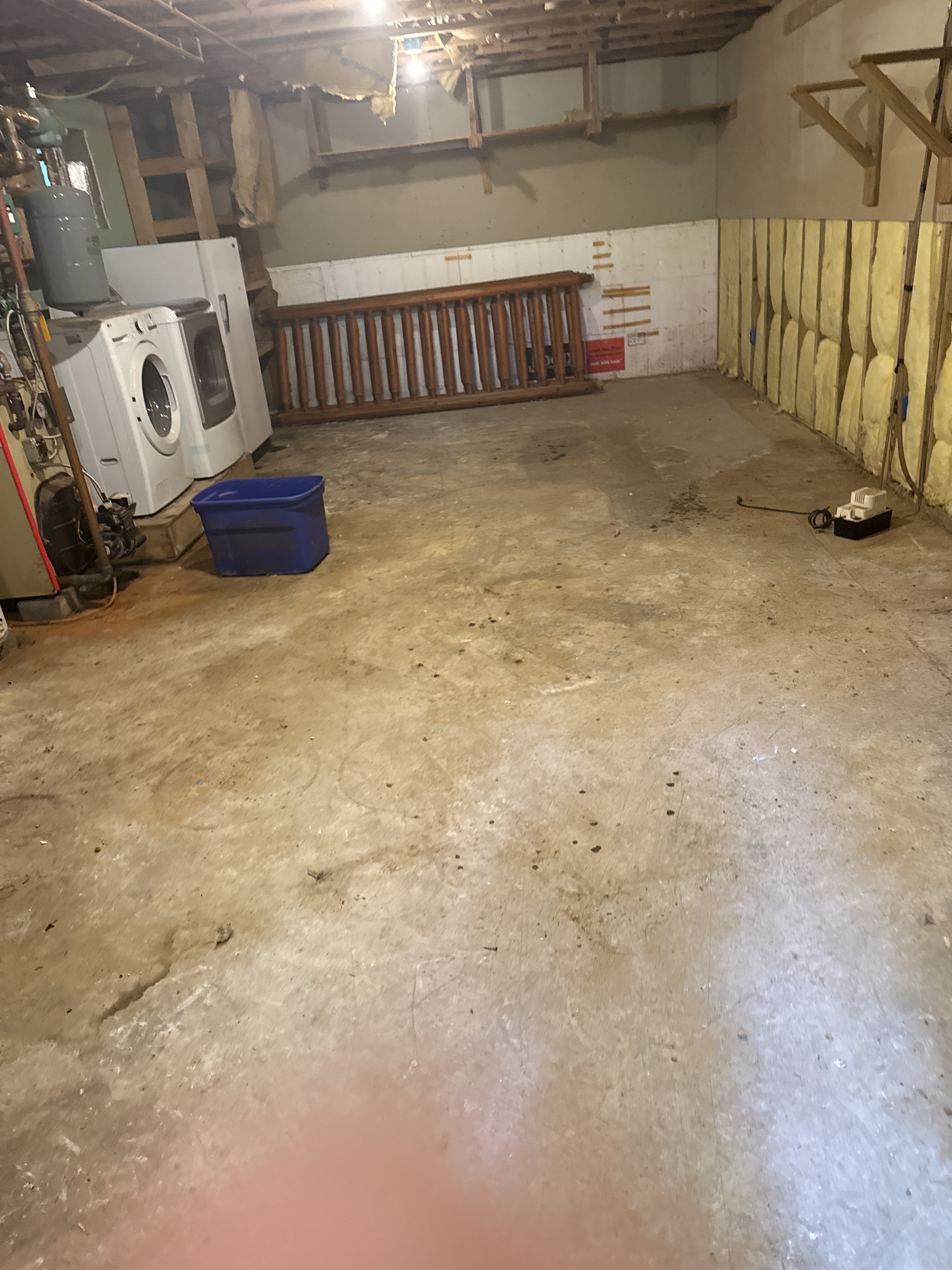
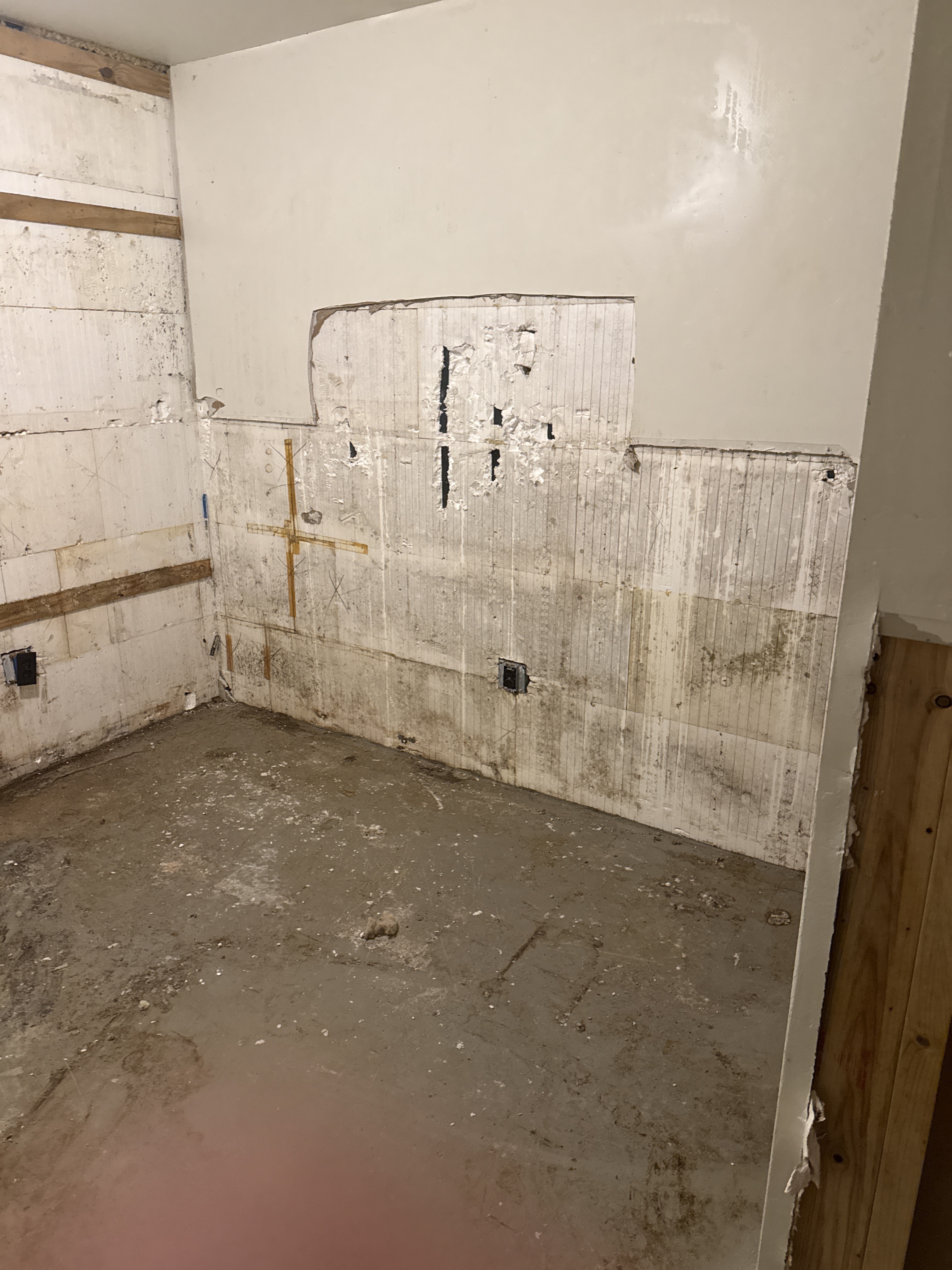
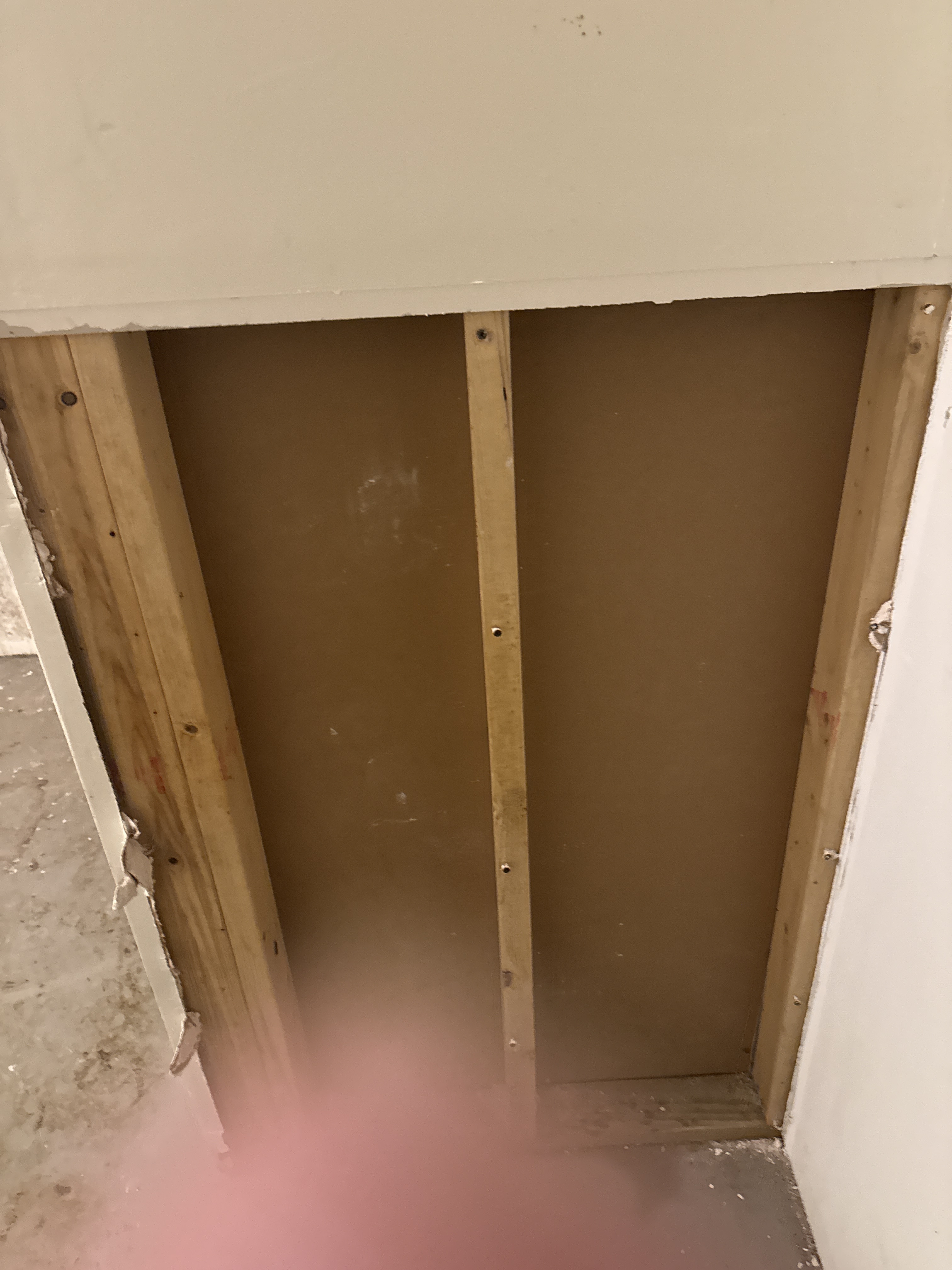
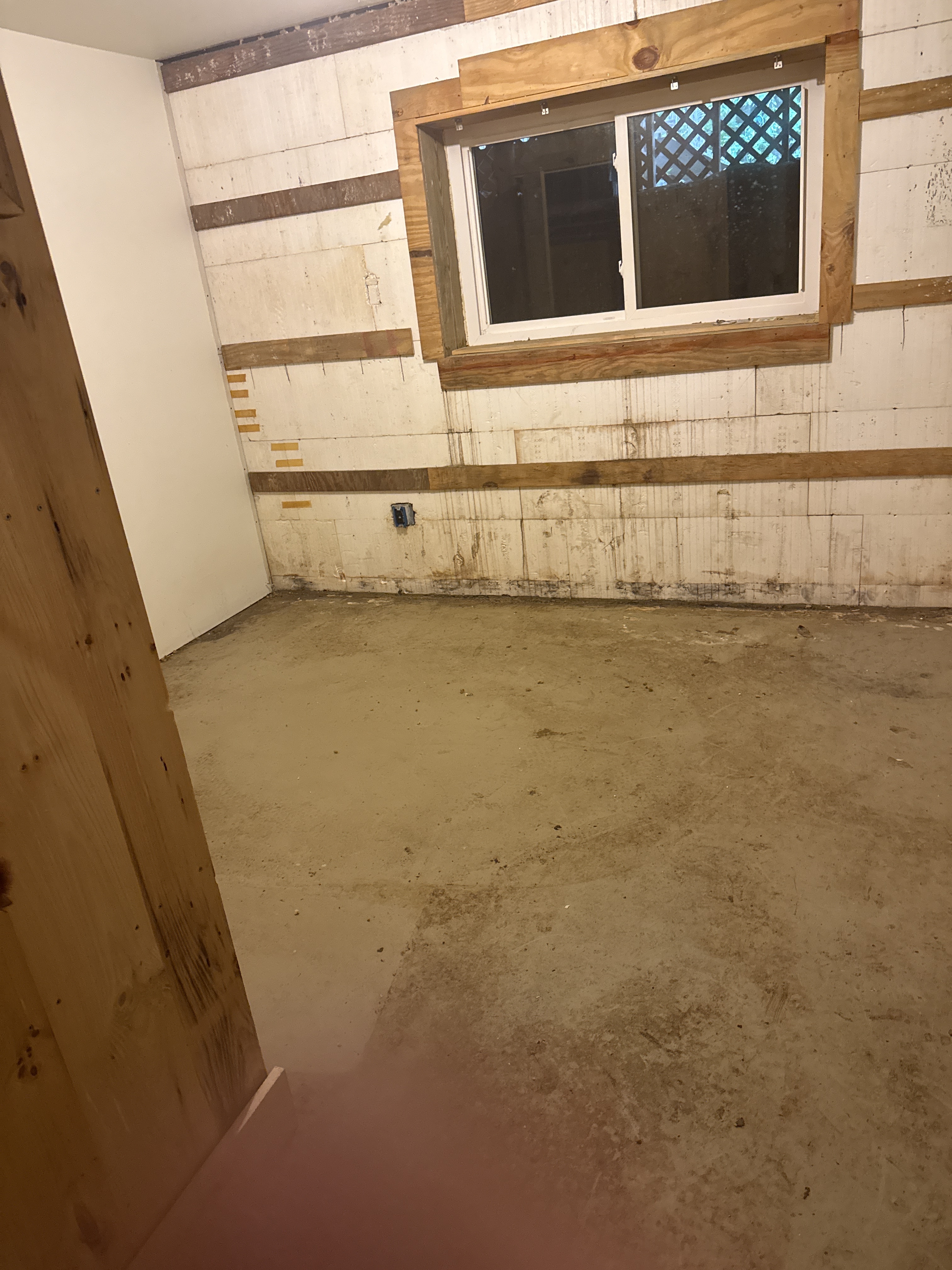
Over four days our crew worked through all six basement rooms, removing wall finishes, insulation, and flooring materials affected by the moisture, and cleaning the surfaces underneath. The photos below show the basement after this work: bare concrete floors, exposed foam concrete-form walls, and open wall cavities where drywall and insulation were taken out.
Throughout the work we used HEPA air scrubbers and negative air pressure, and treated the affected surfaces with professional-grade products: RMR-141 and RMR-86.
The basement walls on this home are insulated concrete forms (ICF). The photos show them with their finishes removed so the surfaces could be inspected and cleaned.
Rebuilding the basement (new insulation, drywall, flooring) is reconstruction work done by a contractor after remediation is complete.
Conditions on Arrival
After Removal of Damaged Materials
Photos show the basement rooms with drywall, insulation, and flooring materials removed.
Takeaways for Property Owners
A broken pipe can become a mold job quickly. Moisture in a closed basement, especially against concrete, gives mold what it needs. Shut off the water and call for help early; waiting turns a plumbing repair into a remediation project.
Insurance often treats these events differently. In this case insurance applied to the trauma-related cleanup but not to the basement mold. Before you decide how to pay for remediation, ask your insurer what your policy says about leaks and mold.
Remediation and rebuilding are separate jobs. We remove the damaged material and clean the structure. A contractor then rebuilds. Planning for both from the start avoids surprises.
Related Services & Resources
Water Damage or Mold in Your Basement?
Call us any time. We will assess the situation, explain what is involved, and give you a clear estimate before work begins.